
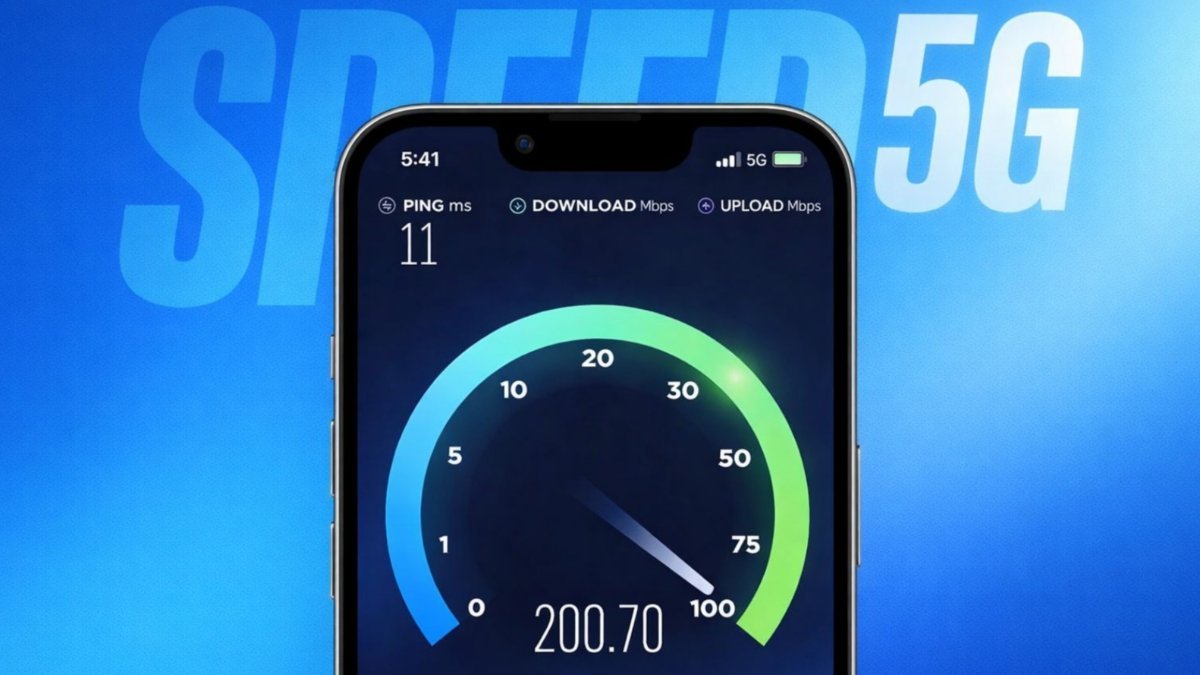
Slow internet creates delays during daily activities. Many people now use cellular internet connections.
Both 4G LTE and 5G offer flexibility. However, several issues can reduce network performance. Understanding these issues helps increase 5G Speed.
Increase 5G Speed With Better Devices And Stronger Equipment
Many users experience slow internet use every day. Older devices often cause speed limitations. New phones support advanced network technologies. New hotspots also provide better performance capabilities.
Modern devices support more network frequency bands. They also support improved carrier aggregation features. Carrier aggregation combines several bands together. More connected bands usually mean faster speeds.
Many modern hotspots include antenna connection ports. These ports allow external antenna installation easily. External antennas improve signal reception significantly. They also improve signal quality considerably.
A strong hotspot setup offers excellent performance. Outdoor antennas receive cleaner signals more effectively. They can also access weaker frequency bands. Indoor devices sometimes miss these available bands.
Benefits Of Upgrading Devices
New technology provides several important advantages.
- Supports newer LTE and 5G standards.
- Connects to more network bands.
- Improves download and upload performance.
- Offers better overall network stability.
- Supports advanced antenna connections.
Users wanting maximum performance should upgrade devices. Older hardware cannot always use network improvements. Modern hardware delivers better internet experiences daily.
Using External Antennas For Better Performance
External antennas are excellent for hotspot users. They improve both signal strength and quality. Better signals create faster internet connections.
Directional antennas provide even greater benefits. These antennas focus directly toward towers. This improves reception and reduces interference levels.
Popular antenna configurations include:
- 2×2 MIMO antenna systems.
- 4×4 MIMO antenna systems.
- Directional panel antennas.
- Directional log periodic antennas.
Users with four antenna ports benefit most. A 4×4 MIMO setup improves performance greatly. Devices with two ports need 2×2 systems.
Outdoor antennas offer several major advantages.
- Faster internet speeds overall.
- Better signal quality indoors.
- Improved carrier aggregation performance.
- Access to additional frequency bands.
- Reduced interference from nearby signals.
However, antenna installations require proper equipment. They also require hotspot service subscriptions. Phones usually receive benefits through WiFi connections.
Adding Inline Boosters For Weak Signals
Some locations have extremely weak outdoor signals. In such cases inline boosters help greatly. These boosters strengthen signals before reaching devices.
Combining boosters and antennas creates stronger connections. This setup improves internet reliability significantly. Rural users often benefit from this solution.
By Improving Signal Quality And Coverage
Signal quality remains extremely important for performance. Many users focus only on signal bars. However, bars do not tell everything.
Signal quality uses a measurement called SINR. Higher SINR values create better internet speeds. Improving SINR often produces dramatic improvements.
Why Signal Quality Matters Most
A strong signal alone is insufficient. Poor quality signals still reduce performance. Cleaner signals allow faster communication with towers.
Directional outdoor antennas improve signal quality effectively. They reduce unwanted interference considerably. Less interference means smoother network operation.
Signal quality affects many online activities.
- Video streaming performance.
- Online gaming responsiveness.
- File downloading speeds.
- Video call quality.
- Web browsing experiences.
Improving signal quality often produces immediate benefits.
Understanding Signal Strength
Signal strength uses RSRP measurements. Stronger signals generally improve reliability. However, stronger signals are not everything.
Once signal strength becomes reasonably strong, improvements decrease. Better signal quality often matters much more. Many users misunderstand this important difference.
Using Signal Boosters For Phones
Most phones lack external antenna ports. Signal boosters become the best solution. They strengthen and rebroadcast cellular signals.
Signal boosters improve indoor network coverage. Multiple devices can benefit simultaneously. They work with existing phones directly.
A MIMO signal booster performs even better. MIMO means Multiple Input Multiple Output. This technology uses multiple antennas together.
Benefits Of MIMO Technology
MIMO improves performance significantly across modern networks.
Advantages include:
- Faster internet data speeds.
- Better network stability.
- Improved coverage indoors.
- More efficient signal transmission.
- Better support for multiple devices.
Towers and devices both use MIMO technology. This setup increases performance by around thirty percent. Advanced boosters can support similar improvements.
Getting Outside For Better Reception
Buildings often block wireless signals. Materials like concrete create significant interference. Metal and glass also affect reception.
Moving closer to open areas helps. Windows often provide stronger signals indoors. Balconies and rooftops may improve performance further.
Open spaces reduce signal obstacles greatly. Fewer obstacles create cleaner network communication. Better reception often means faster internet speeds.
Users can also locate nearby towers. Network applications help identify stronger locations. Better positioning improves reception naturally.
With Smart Phone And Network Habits
Network performance depends on user habits too. Simple actions often improve speeds immediately. Regular maintenance helps devices work efficiently.
Clear Cache Regularly
Cached files accumulate over time. Excessive cached data slows devices considerably. Browsers may become less responsive.
Regular cache cleaning improves performance noticeably. Webpages load faster after cleanup. Devices operate more smoothly overall.
Remove Device Clutter
Unused applications consume storage space. Background processes also use system resources. This affects overall phone efficiency.
Users should remove unnecessary applications regularly. Keeping devices organized improves performance greatly. Updated software also enhances reliability.
Close Unused Apps
Many applications run continuously. These apps consume data and bandwidth. Social media applications commonly cause issues.
Closing unused apps provides immediate benefits.
- Reduces bandwidth consumption.
- Improves available network resources.
- Enhances device responsiveness.
- Saves battery power.
- Improves internet performance.
Restart Your Device
A simple restart often solves issues. Network connections refresh during reboot processes. Temporary software problems may disappear.
Users can also enable airplane mode briefly. Waiting several seconds often helps. Reconnecting refreshes cellular communication systems.
Keep The Battery Charged
Weak batteries reduce phone efficiency sometimes. Signal searching requires additional power. Well-charged batteries support stable operation.
Battery charge does not strengthen signals directly. However, it helps devices function efficiently. Efficient devices perform network tasks better.
Switch Browsers If Needed
Some browsers use more resources. Lightweight browsers consume less data. This improves browsing efficiency significantly.
Users should test different browser options. Some browsers offer data-saving features. These features improve loading performance.
Select Your Preferred Carrier
Some devices switch networks automatically. Frequent switching can affect stability. Manual selection often improves consistency.
Stable network connections improve internet experiences. Better stability supports faster data performance. Users should choose preferred carriers manually.
Change Carriers If Necessary
Coverage quality varies between providers. Some carriers perform better locally. Testing alternatives may improve experiences.
Signal boosters work across major carriers. Switching providers remains relatively simple. Better coverage means better performance.
Understand Network Congestion
Network congestion affects many users daily. Busy towers serve large numbers simultaneously. Heavy demand reduces available bandwidth.
Higher frequency bands often experience less congestion. Outdoor antennas help access these bands. Less congestion means faster internet speeds.
Watch For Data Throttling
Some carriers limit heavy users. This process is called data throttling. Internet speeds become intentionally slower.
Users should review plan details carefully. Unthrottled plans provide more consistent performance. Better plans often improve user experiences.
Using 5G And LTE For Home Internet
Many households now use cellular internet. 5G provides excellent home internet performance. LTE also supports many internet activities.
These networks support:
- Video streaming services.
- Online gaming sessions.
- Large file downloads.
- Remote work activities.
- Office internet requirements.
Users need a cellular router first. They also need carrier data plans. A SIM card provides network access.
Adding a signal booster improves performance further. Better signals create better internet experiences. This combination offers reliable home connectivity.
The Bottom Corner
Following these methods like Strong antennas, boosters, and quality signals delivers faster and more reliable internet connections and increases 5G Speed.