
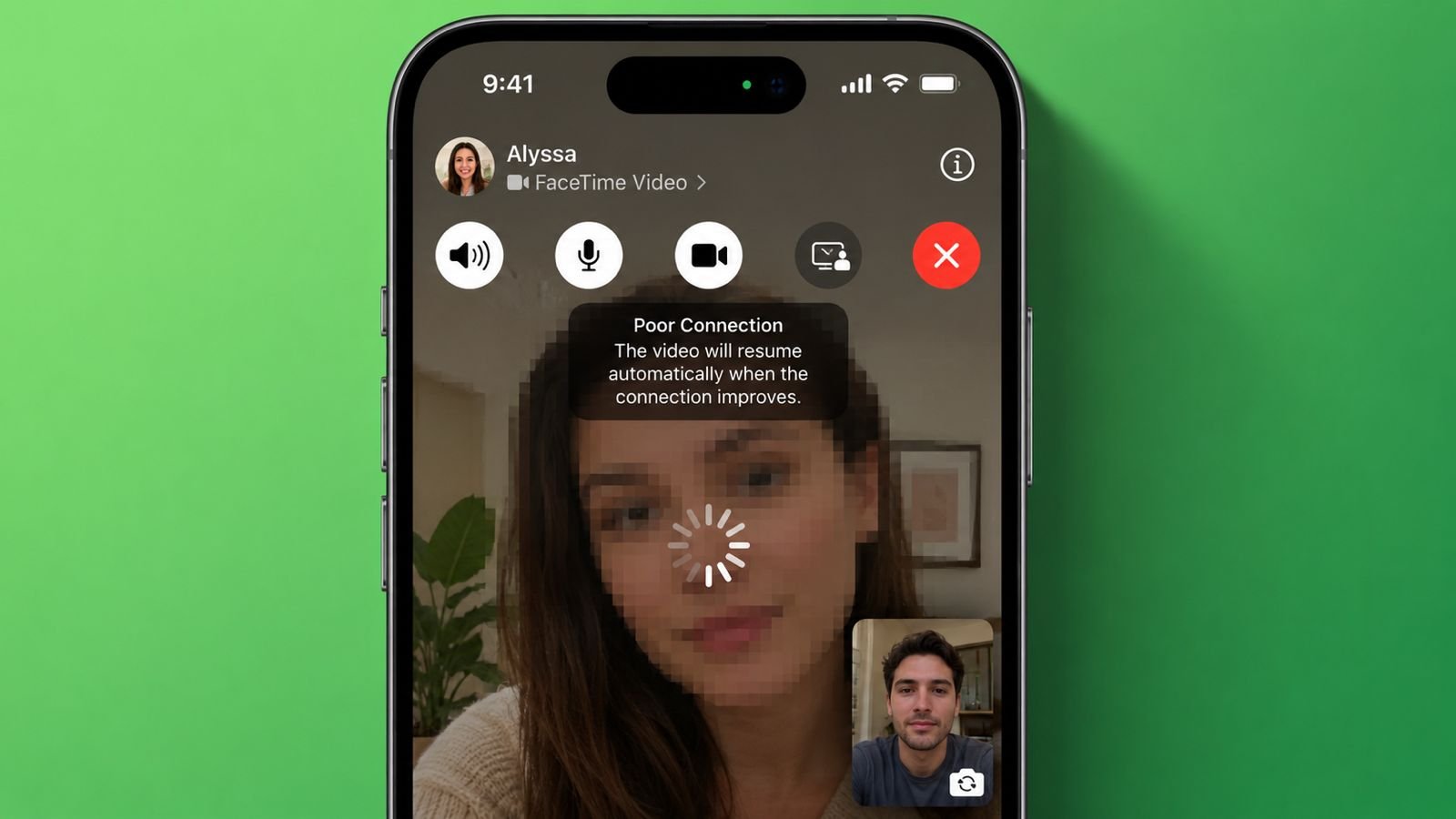
Fix FaceTime Lag issues using simple troubleshooting steps. Laggy calls can ruin important conversations quickly.
Video may freeze and audio may break. Most causes are easy to identify. Simple fixes often restore smooth calling performance.
Troubleshooting FaceTime Lag by Finding the Real Cause
FaceTime is a popular communication tool today. Families, friends, and coworkers use it daily. It works through internet-based video and audio. However, performance problems sometimes affect call quality.
Many reasons can cause FaceTime lag problems. Weak internet connections are often responsible. FaceTime needs steady data movement continuously. Slow connections can create delays and freezing.
Wi-Fi problems are among common causes. Users may sit far from routers. Signals become weaker over longer distances. Weak signals reduce FaceTime call quality significantly.
Interference can also create connection problems. Nearby wireless devices may affect signals. Other networks can cause interference too. Even thick walls may weaken Wi-Fi strength.
Device-related problems can also create lag. Software issues sometimes affect processing performance. Temporary glitches may slow FaceTime operations. Restarting devices often fixes these situations.
Overheating may create additional performance problems. Hot devices sometimes slow down automatically. This can affect FaceTime video quality. Some users notice lag while charging devices.
Before trying advanced solutions, identify causes first. Knowing the source saves valuable time. Most problems have simple solutions available.
Devices That Support FaceTime
FaceTime works on many Apple devices.
Supported devices include:
- iPhone models with FaceTime support.
- iPad devices with FaceTime capability.
- iPod touch models supporting FaceTime.
- Mac computers running supported software.
Older devices may not support FaceTime properly. Compatible hardware remains important for performance.
What FaceTime Needs to Work
FaceTime requires several important things.
These include:
- Stable Wi-Fi internet connection.
- Mobile or cellular data access.
- Broadband internet service.
- Apple ID account setup.
- Correct phone number information.
- Correct email address information.
Once everything is configured correctly, calling becomes simple.
FaceTime Can Work Beyond Apple Devices
FaceTime now supports browser-based invitations. Android and Windows users can participate.
FaceTime Links make this possible. Users simply open shared meeting links. This feature arrived with iOS 15 updates.
Through Better Connections
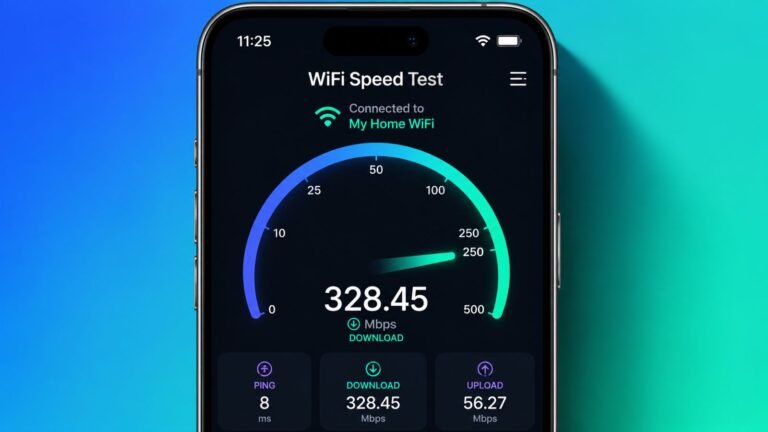
Internet quality directly affects FaceTime performance. Connection testing should happen early. Many lag problems start here.
Check the Camera First
Begin with a simple camera test. Record a short video clip. Watch the recording carefully afterward.
If recorded videos also lag badly, hardware issues may exist. Professional inspection could become necessary.
End the Call and Try Again
Temporary connection issues sometimes happen unexpectedly. Disconnect the current FaceTime session completely. Wait briefly before calling again. A new connection may work better immediately.
Close and Reopen FaceTime
Applications sometimes experience temporary software glitches. Completely close the FaceTime application first.
Open the app again afterward. This simple action often refreshes performance.
Move Closer to Your Router
Router distance affects wireless signal quality. Strong signals improve call stability significantly. Try moving closer to the router.
Avoid large objects between yourself and Wi-Fi. Open spaces usually provide better connectivity.
Test Different Locations
Not every room receives equal coverage. Walk around and test several locations. Some areas may provide stronger signals.
Finding better coverage improves call performance.
Restart Your Internet Equipment
Routers and modems sometimes need refreshing. Restarting them clears temporary network problems.
Follow these steps:
- Turn off the router.
- Turn off the modem.
- Wait several seconds.
- Restart both devices again.
This often restores stable internet service.
Check Cellular Signal Strength
Many people use mobile data regularly. Weak cellular coverage can affect FaceTime. Verify signal bars before starting calls. Strong signals support better video quality.
Confirm FaceTime Uses Cellular Data
FaceTime needs permission for mobile data.
Check these settings:
- Open device settings.
- Select Cellular options.
- Confirm Cellular Data remains enabled.
- Verify FaceTime access remains allowed.
These settings help FaceTime work correctly.
Using Settings and Advanced Solutions
Device settings can affect FaceTime performance. Incorrect settings sometimes create unexpected problems.
Restart Your Apple Device
Restarting solves many temporary software issues. System resources refresh during restart processes.
Use these simple steps:
- Turn the device completely off.
- Wait about thirty seconds.
- Turn the device back on.
Many FaceTime issues disappear afterward.
Update Device Software
Software updates improve stability and security. They also fix known software bugs.
For iPhone and iPad:
- Open Settings.
- Select General.
- Tap Software Update.
- Install available updates.
For Mac:
- Open System Preferences.
- Select Software Update.
- Install pending updates.
Updated devices generally perform much better.
Verify FaceTime Settings
Incorrect account settings may block functionality. Review all information carefully.
For iPhone and iPad:
- Open Settings.
- Select FaceTime.
- Confirm FaceTime remains enabled.
- Check phone number accuracy.
- Verify email address accuracy.
For Mac:
- Open FaceTime.
- Open Preferences settings.
- Verify contact information.
- Confirm available contact methods.
Correct information ensures successful connections.
Check Date and Time Settings
FaceTime communicates with Apple servers continuously. Incorrect time settings may cause problems.
For iPhone and iPad:
- Open Settings.
- Select General.
- Open Date and Time.
- Enable automatic configuration.
For Mac:
- Open System Preferences.
- Select Date and Time.
- Enable automatic synchronization.
Correct time settings improve reliability.
Review Screen Time Restrictions
Restrictions may block important FaceTime features. Camera access may also become restricted.
Check these settings carefully:
- Open Screen Time settings.
- Select Content and Privacy options.
- Open Allowed Apps section.
- Enable FaceTime access.
- Enable Camera access.
Mac users should review similar settings.
Turn FaceTime Off and On
Refreshing FaceTime services may help.
Follow these steps:
- Open FaceTime settings.
- Turn FaceTime off.
- Restart the device.
- Turn FaceTime back on.
This process resets FaceTime connections.
Understand FaceTime Unavailable Messages
Sometimes FaceTime shows unavailable notifications. This may involve the recipient instead.
Possible reasons include:
- The recipient turned off their device.
- Recipient enabled Do Not Disturb.
- The recipient joined another FaceTime call.
- Recipient disabled FaceTime completely.
- The recipient lacks internet connectivity.
- Contact information contains errors.
- Numbers were blocked accidentally.
Testing another contact helps identify causes.
Fix FaceTime Audio Problems
Audio issues may affect conversations too.
Try these solutions:
- Check microphone settings carefully.
- Ensure microphones remain unmuted.
- Increase speaker volume levels.
- Close microphone-using applications.
- Verify internet connection stability.
Many audio issues disappear quickly afterward.
Use Factory Restore as Final Option
Apple recommends restoration after other attempts. Always create backups before proceeding.
Test FaceTime before restoring backup files. If performance improves, backup data may contribute.
Sometimes restored backups reintroduce problems. User data may contain hidden issues.
In these situations:
- Sync important data to iCloud.
- Erase the device completely.
- Set up as new.
- Test FaceTime again.
- Restore data through iCloud.
Apps require separate downloads afterward.
Seek Professional Help
Some issues require professional troubleshooting assistance. Hardware failures may affect FaceTime performance. Technicians can inspect devices thoroughly. Visit an Apple Store if needed.
As We Conclude
Fix FaceTime Lag by improving connections and settings. Most problems come from the internet or software. Follow these troubleshooting methods carefully.
Smooth video and audio calls usually return. Regular updates help prevent future issues.